
Wearable Devices

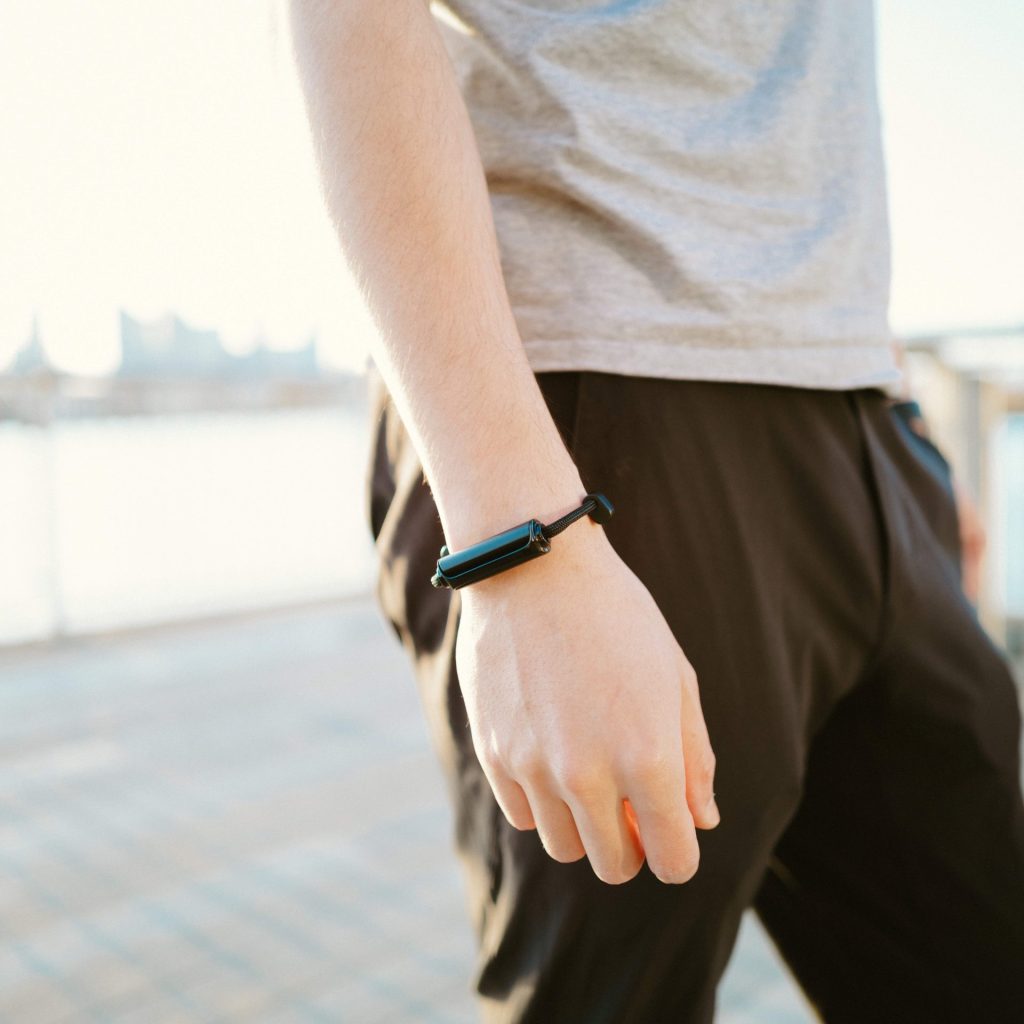
Wearable Electronics was until recently a something more in the realm of science fiction than everyday life. However, over the last decade or so, a diverse range of wearable devices has appeared on the market and are in regular daily use by people don’t consider themselves early adopter technophiles.
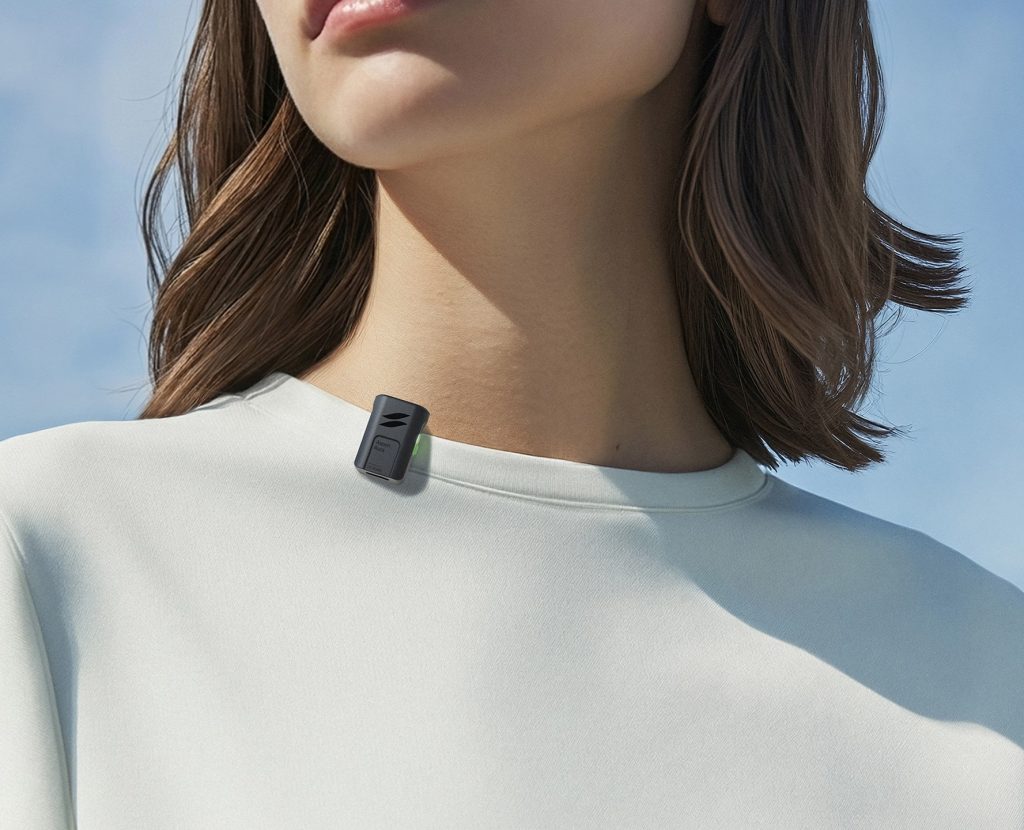
The range of possible applications is only limited by the human imagination, and we are continually surprised and delighted by the inventions our customers devise.
Recent customer applications have covered a broad range; these have included specialised devices to assist with certain disabilities, such as visual impairment, Parkinson’s disease and more general applications such as an air quality monitor, to give granular and actionable information to improve long term health.
There are also applications in more industrial settings; for instance implementing safety systems, personal location or even robotic control.
Insight SIP’s miniature solutions have obvious attractions for designers of wearable devices; our modules are typically the smallest of their type on the market, and can fitted into the smallest form factors.
Insight SIP’s miniature solutions have obvious attractions for designers of wearable devices; our modules are typically the smallest of their type on the market, and can fitted into the smallest form factors. As fully integrated and certified devices, they free up design time for customers, and aid them to get to market quickly, which can be a critical advantage in this fast moving sector.
A less obvious benefit of using Insight SIP’s products is the support we can provide based on long experience of wearable technology. Placing an RF device close to the body presents multiple challenges; there can be additional regulatory requirements, and the human body is a strong absorber of radiation, especially in the 2.4 and 5 GHz bands used by Bluetooth and Wi-Fi.
Insight SIP can aid customers with the layout and placement of components on the application board. We can also carry out detailed simulations to assist customers achieve a high level of performance “first time”, and avoid multiple design cycles to achieve acceptable results.
Relevant Customer Case Studies:-